Manarola
History and identity
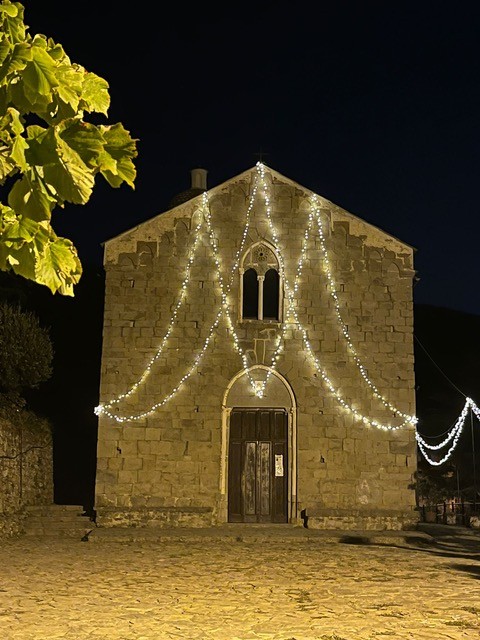
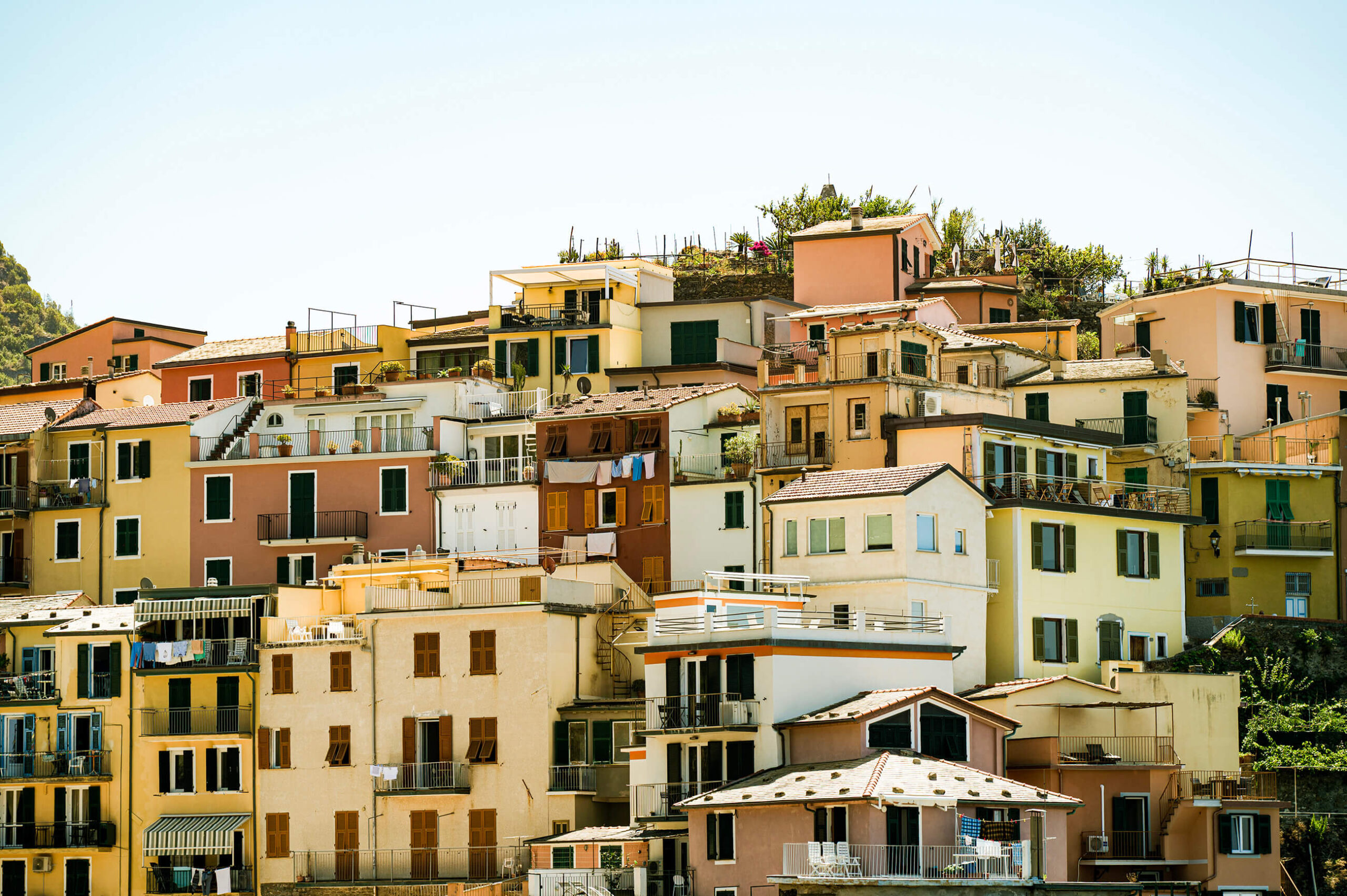
Manarola is a compact, scenic village perched on a dark rocky promontory. The town originally developed along the Groppo stream, which is now covered. Renowned for its deep agricultural roots and strong sense of community, Manarola is world-famous for the geometric terraced hillsides dedicated to vineyards and olive groves.
Punti di interesse
PUNTA BONFIGLIO
The rocky promontory that offers Manarola’s most iconic postcard view.
MANAROLA MARINA
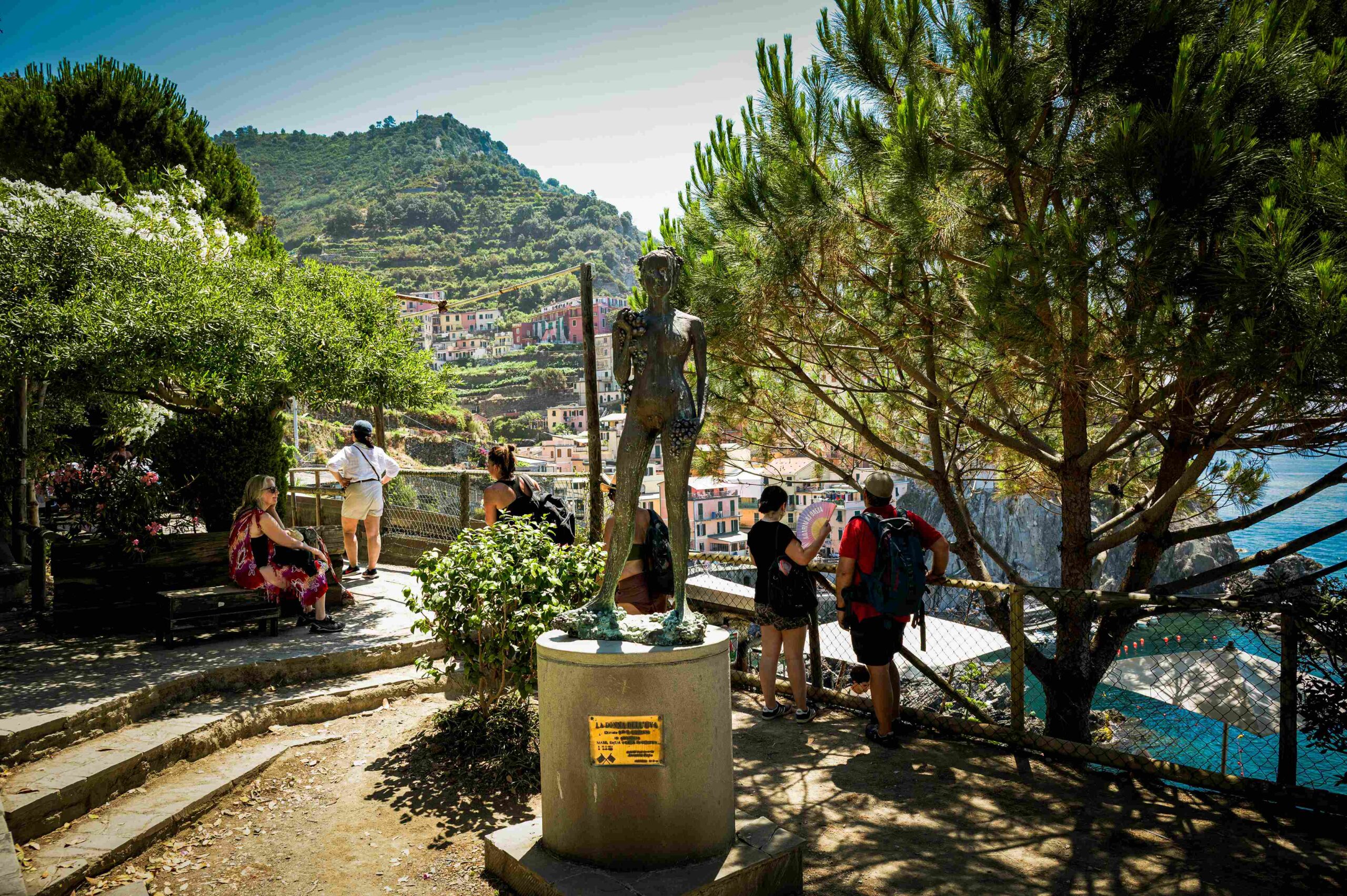
Framed by dramatic cliffs, this small harbor lacks a sandy beach but offers deep waters and concrete platforms perfect for swimming and cliff-diving. Along the main ramp, local fishermen’s boats are hauled up, creating a picture-perfect scene.
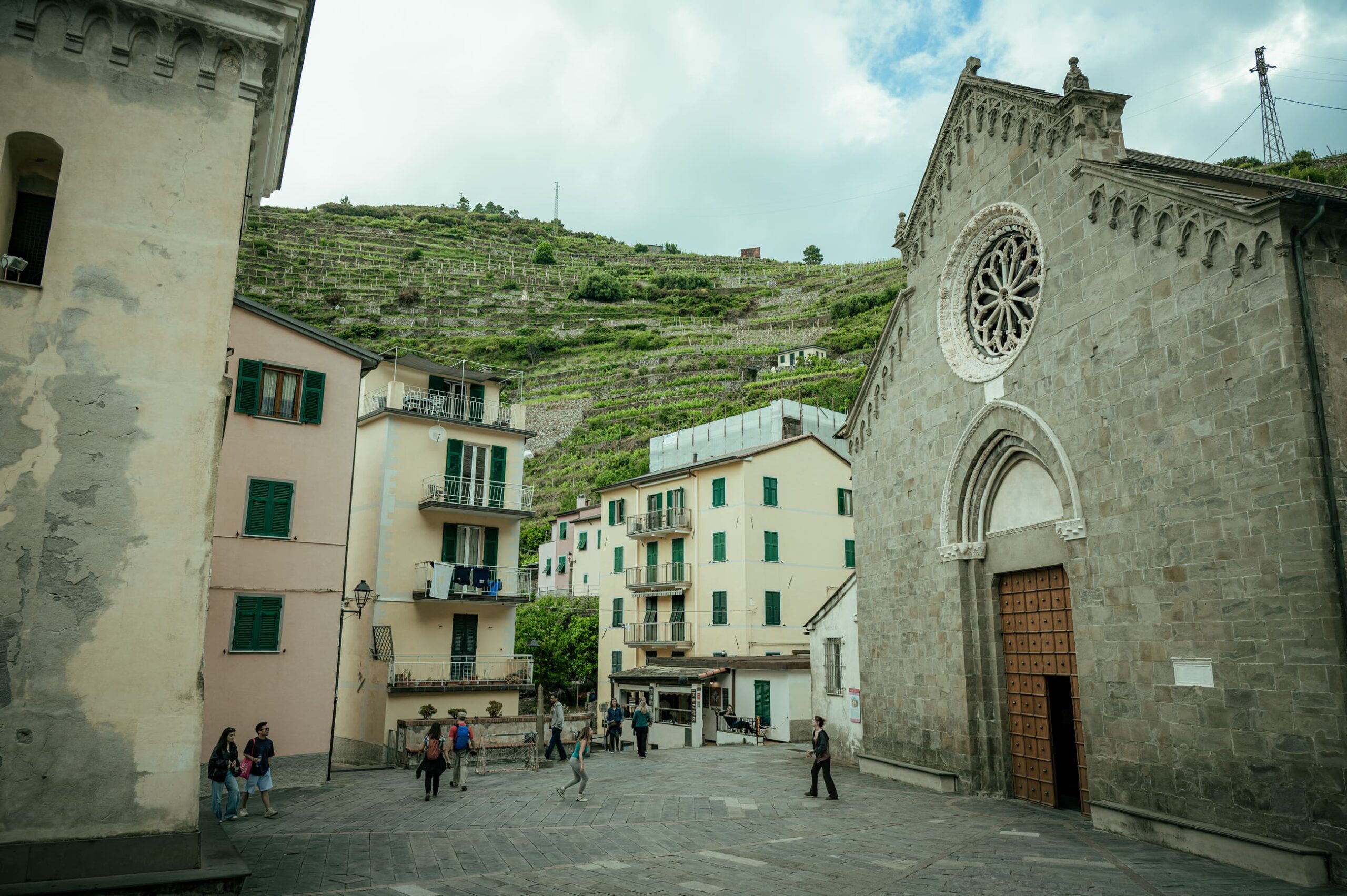
CHURCH OF SAN LORENZO (The Nativity of the Virgin Mary)
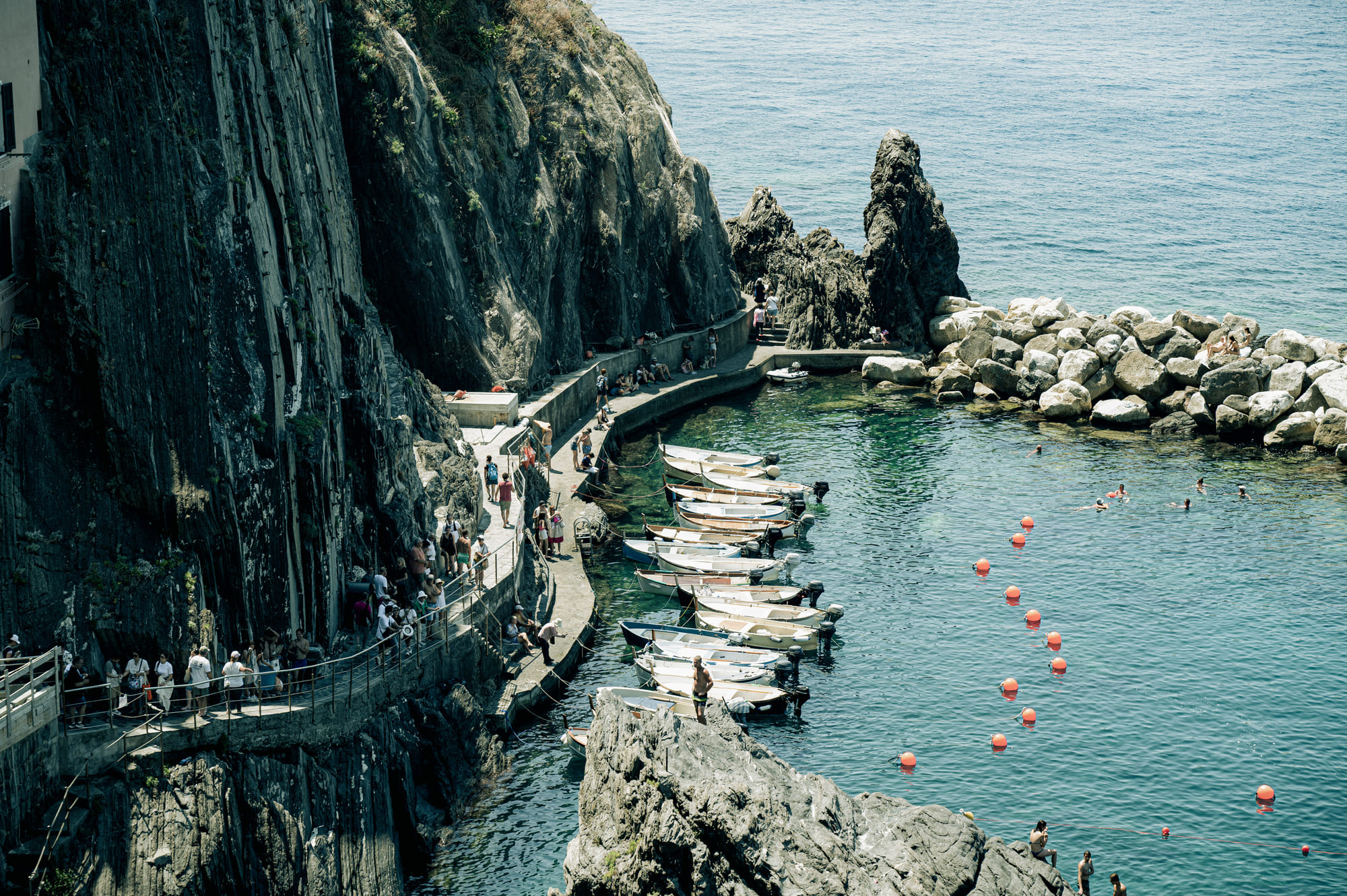
Built in 1338 in the Ligurian Gothic style, the Church of San Lorenzo features a beautiful Carrara marble rose window. Dedicated to the Nativity of the Virgin Mary, it stands in the upper part of the village and serves as the historical and spiritual heart of the community.
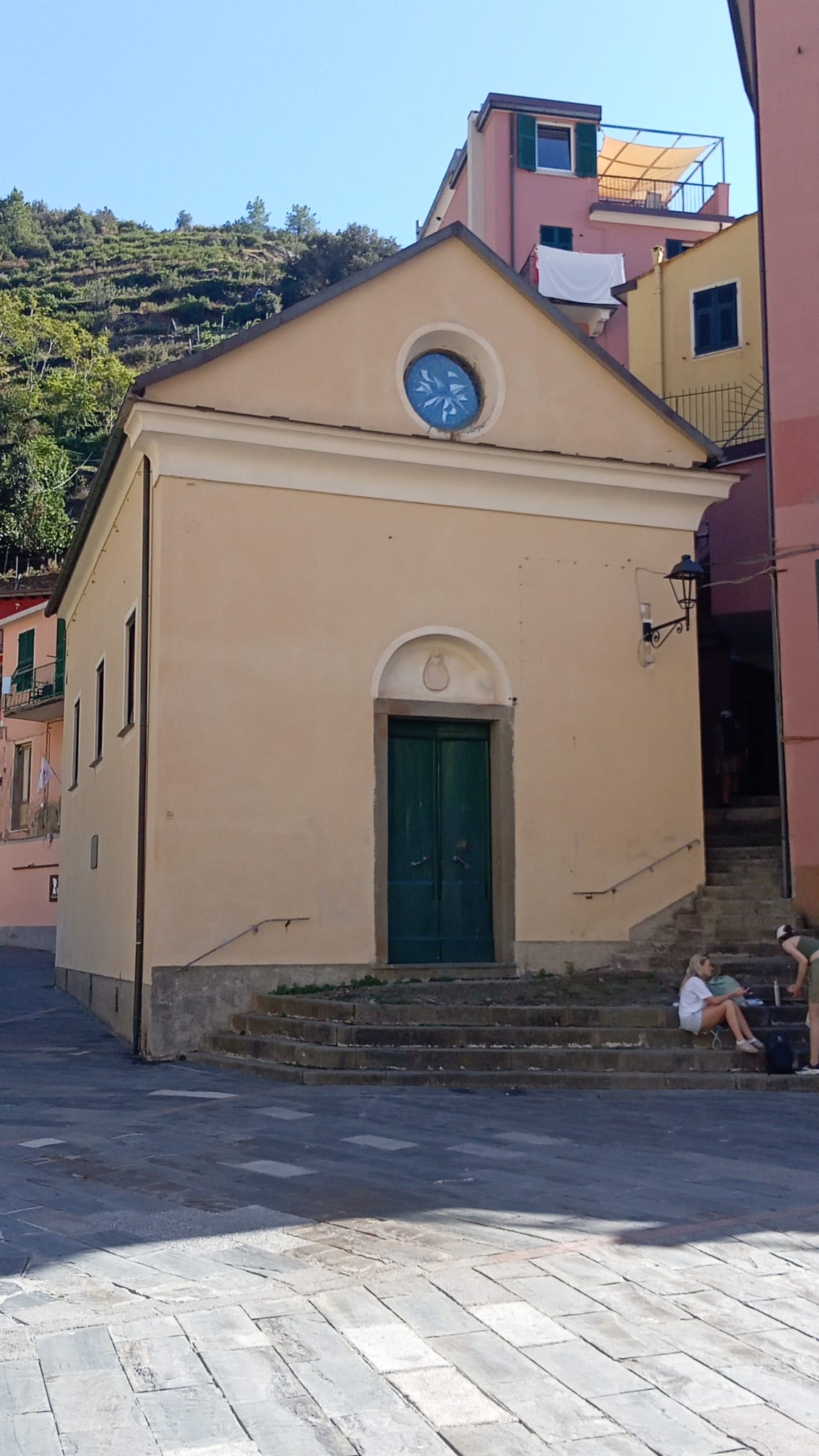
ORATORY OF THE DISCIPLINANTI (THE”Azzurri”)
A 15th-century gabled building facing the Church of San Lorenzo.
It originally served as the headquarters for a medieval lay confraternity dedicated to supporting the local community.
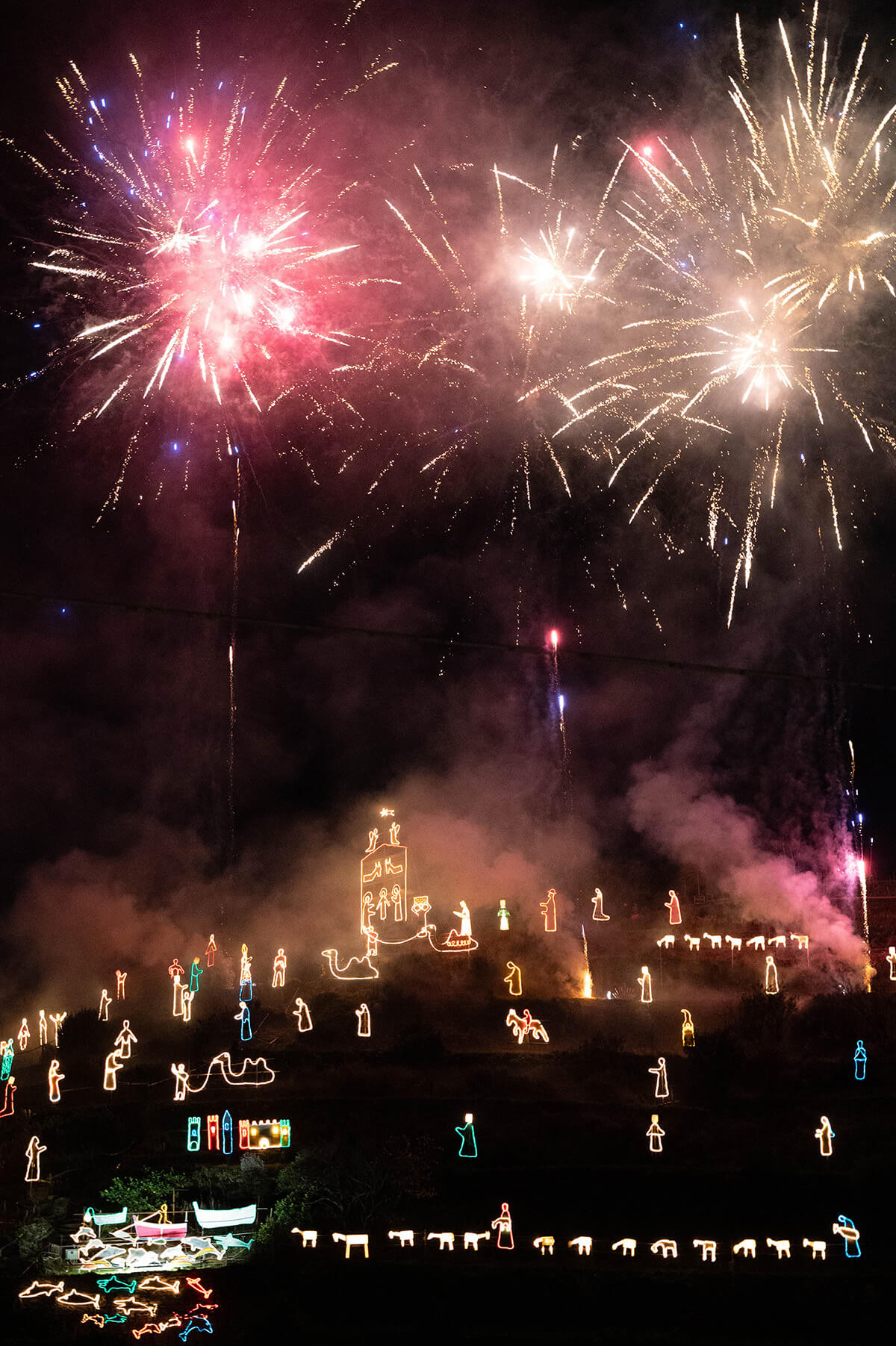
MANAROLA ILLUMINATED NATIVITY SCENE (Tre Croci Hill)
The largest ecological Nativity scene in the world, created by Mario Andreoli and made up of hundreds of life-size figures built from recycled materials and lit by thousands of bulbs arranged across the entire terraced hillside.
🚶 How to see it and where to photograph it:
- Classic viewpoint: from Via Discovolo or from the square of the Church of San Lorenzo, the view of the hillside is front-facing and exceptional.
- Postcard shot: from Punta Bonfiglio, you can photograph the illuminated village with the Nativity scene in the background.
⚠️ Seasonal info: While the figures remain on the hillside year-round, the lighting display takes place only during the Christmas season, generally from December 8 until early February, turning on every day at dusk.
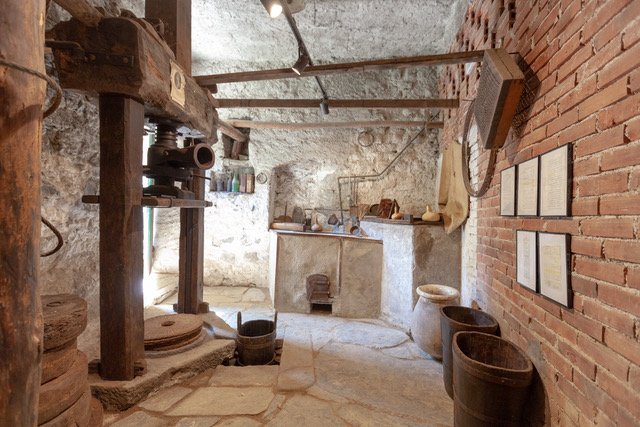
PIÈ DE CAMPU MILL
Documented since 1643, this historic watermill was used for centuries to grind grain and press local olives, powered by the rushing waters of the Groppo stream. Today, it stands as the perfect place to step back in time and discover Manarola’s deep rural heritage.
SANCTUARY OF NOSTRA SIGNORA DELLA SALUTE (Volastra)
This 12th-century Romanesque church sits in the hillside hamlet of Volastra, the famous “village of olive trees.” It is one of the five historic coastal sanctuaries of the region.