
Not just wine: Riomaggiore’s salted anchovies
A maritime tale hidden in an ancient document
When arriving in Riomaggiore, your gaze is almost instinctively drawn upward: toward the narrow houses, the steep stairways, the vineyards scaling the slopes, and the terraces suspended high above the sea. This is how the village is traditionally imagined: vertical, agricultural, and shaped by the arduous toil of the land and wine.
Yet, if you walk down to the harbor and pause for a few moments among the boats, the rocks, and the water, Riomaggiore whispers a different story. It is a saltier, more everyday narrative woven from nets, barrels, anchovies, and locals who knew the sea not as a scenic view, but as a workplace.
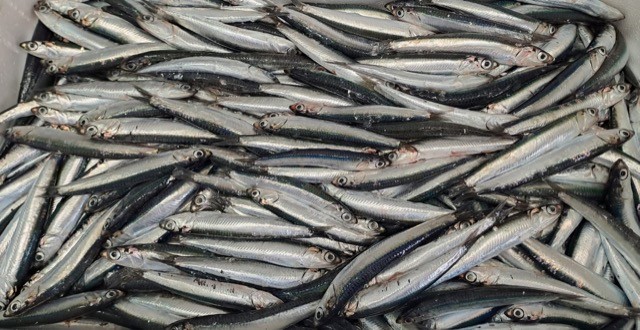
This heritage resurfaces through a document dated July 18, 1643. On that day, Benedetto Tubino, a boat captain from Cornigliano, declared before a notary that he had loaded a substantial cargo of salted anchovies right here in Riomaggiore: eleven barrels, two half-barrels, and four quartarole, totaling around three hundred kilos of fish. Far from a minor detail, this cargo possessed an origin to certify, a quality to recognize, and a value to protect.
In the registry, those anchovies are described as nostrali. It is a simple yet evocative word: it means they were “from here,” caught in these very waters, then salted and prepared in Riomaggiore. Bound up in that single word is a fragment of ancient village life: boats venturing out to sea, returning to the harbor, the preservation process, and trade along the coast.
The same archival source also mentions specialized fishing nets known as speoni (or spioni) and a leudo, a traditional Ligurian sailing boat. While these terms may sound distant today, a single glance at the harbor brings them back to life. Behind the picture-perfect views captured by travelers, there were working hands, generations of shared knowledge, relentless effort, and a thriving local maritime economy.